Do Safety Signs Really Influence How Employees Act on the Job?
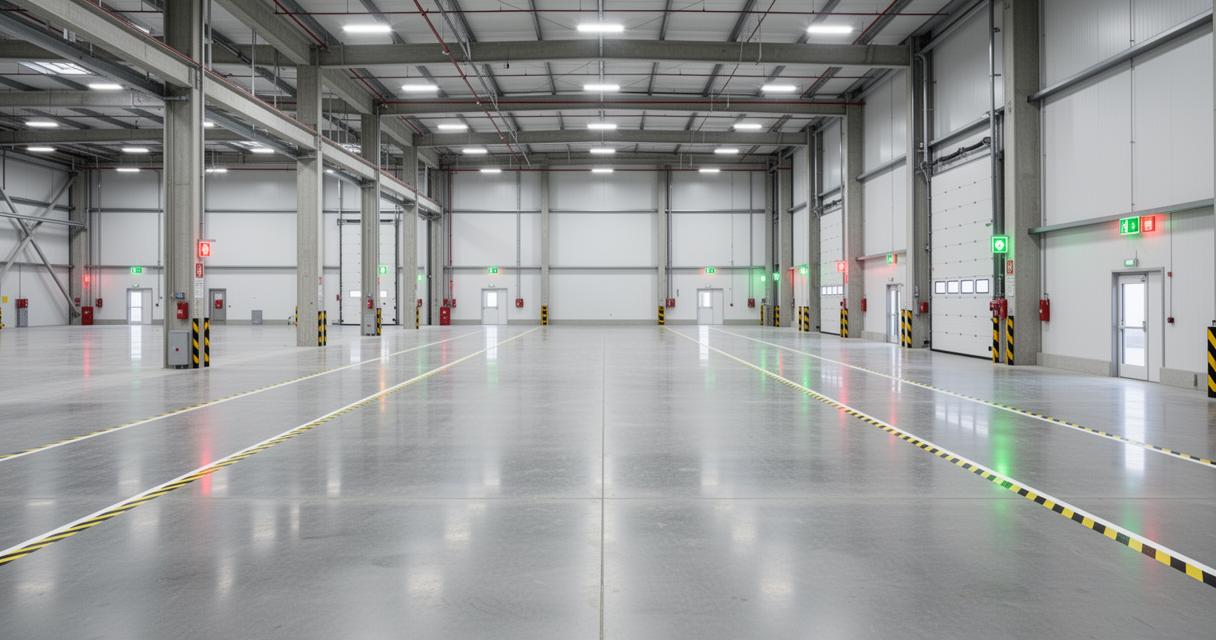
Walk through almost any workplace and you will notice them immediately, bold colours, clear symbols, and concise messages fixed to walls, doors, and machinery. Safety signs are a constant feature of professional environments, yet their actual influence on employee behaviour is a question worth examining seriously. Do workers genuinely adjust how they act because of a sign on a wall, or has signage simply become part of the background noise of daily work?
Key takeaways
- Workplace safety signs effectively influence employee behavior when they are correctly designed, strategically positioned, and integrated into the company’s safety culture.
- Standardized colors and symbols act as a visual language that allows workers to quickly interpret and respond to hazards, prohibitions, or mandatory actions.
- Signs must be placed at the precise points where critical decisions are made to ensure employees have enough time to adjust their actions before encountering a hazard.
- The phenomenon of ‘sign blindness’ requires businesses to regularly update or move signage to prevent employees from ignoring notices they see daily.
- Comprehensive training is essential to ensure that staff understand the purpose behind safety signs, which increases the likelihood of compliance and peer accountability.
- Effective signage is not a substitute for risk management but serves as a vital component of a broader system that prioritizes a genuine culture of safety.
The Role of Safety Signs in Shaping Workplace Behaviour
The short answer is yes, workplace safety signs do influence behaviour, though their effectiveness depends heavily on how well they are designed, positioned, and supported by broader workplace culture. Under the Health and Safety (Safety Signs and Signals) Regulations 1996, employers are required to provide safety signage wherever significant risks cannot be adequately avoided or controlled by other means. This legal foundation underscores a key principle: signs are not a substitute for good hazard management, but they are an essential layer of hazard communication within any robust safety strategy.
How visual cues guide employees towards safer practices
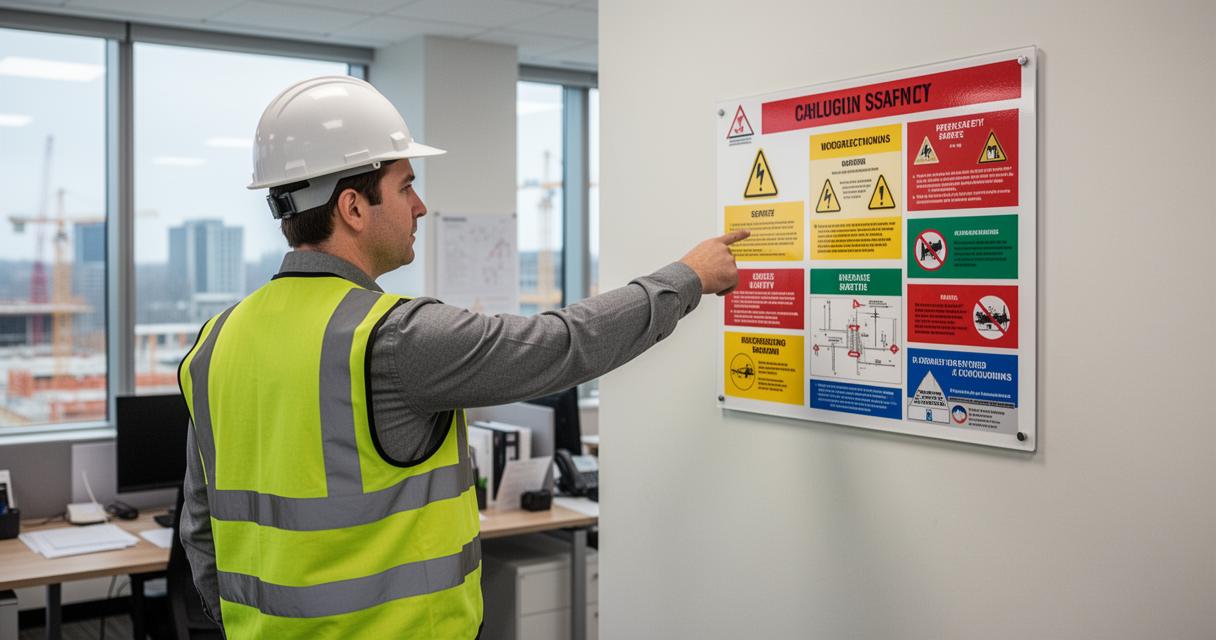
Visual cues work because human beings are naturally responsive to colour and shape. The standardised safety colours used across signage (red for prohibition, yellow for warning, blue for mandatory actions, and green for safe conditions) create a consistent visual language that employees can interpret almost instinctively once trained. Prohibition signs, rendered in red and black, make forbidden actions immediately recognisable. Warning symbols on yellow backgrounds draw the eye to potential hazards before a person enters a dangerous area. Mandatory safety actions, such as wearing personal protective equipment, are conveyed through blue and white signs that leave little room for ambiguity. Meanwhile, emergency exit signs and first aid signage in green guide employees swiftly when seconds matter most.
Critically, signs must be placed where decisions are actually made, not simply wherever there is a spare patch of wall. A warning sign about a floor hazard positioned after the point at which a worker has already committed to their route offers little practical benefit. Effective placement means the sign is visible before entering the hazard zone, giving the individual time to adjust their behaviour accordingly.
The psychology behind responding to workplace warnings
Human psychology plays a central role in determining whether a sign prompts a behavioural change or is simply ignored. Familiarity breeds inattention (a phenomenon sometimes called sign blindness) whereby staff who pass the same notice dozens of times each week gradually cease to register it consciously. This is precisely why sign visibility and relevance must be reviewed regularly. Outdated or damaged signs not only fail to communicate effectively but can actively undermine confidence in the workplace’s overall safety awareness culture.
Training is equally vital. Employers have a duty to explain the meaning of safety sign categories to all employees, contractors, and visitors. A sign that is not understood cannot change behaviour, however well it is designed. When staff genuinely comprehend why a particular instructional notice is in place, they are far more likely to comply with it, and to draw the attention of colleagues who overlook it.
Making safety signage work effectively across your workplace
Choosing the Right Placement and Design for Maximum Impact
A thorough workplace risk assessment is the starting point for any signage strategy. By identifying where hazards exist and how employees interact with them, businesses can determine precisely which signs are needed and where they will have the greatest impact. Hazard warning signage should never be an afterthought, it ought to be integrated into the overall risk control plan from the outset. Fire-exit signs, for instance, must form part of the fire risk assessment and be adequately lit to remain legible in an emergency.
Design matters too. The recognition of core warning symbols (covering hazards such as electrical risks and flammable materials) depends on signs meeting established standards for shape, colour, and legibility. When workplaces update their layouts, introduce new processes, or identify new risks, their signage must be updated accordingly to maintain both safety sign compliance and genuine usefulness.
Building a safety culture where signage reinforces daily habits
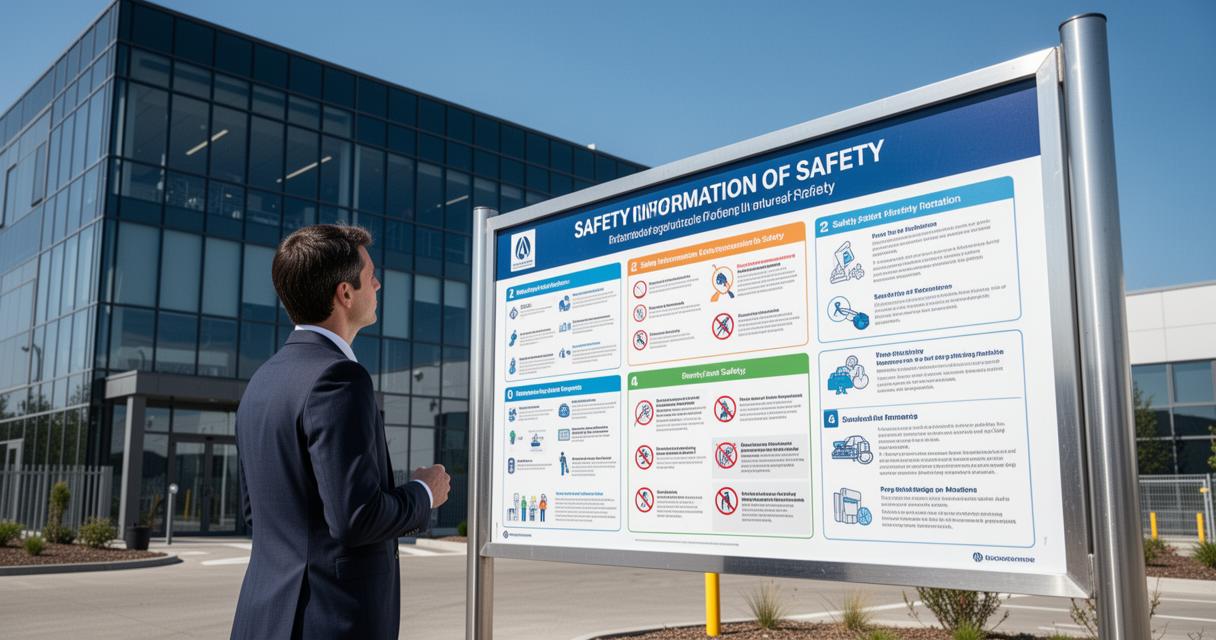
Signage reaches its full potential only within a workplace where health and safety regulations are taken seriously at every level. When management visibly respects the same signs that employees are expected to follow, and when accident prevention is treated as a shared responsibility rather than a box-ticking exercise, signs become meaningful touchpoints rather than mere legal obligations. Site safety maintenance (ensuring signs remain clean, undamaged, and correctly positioned) sends a clear message that safety standards are upheld consistently.
Ultimately, emergency procedures, safe working practices, and strong signage work together as a system. No single element is sufficient on its own. But when workplace safety signs are well-chosen, properly maintained, and embedded within a genuine culture of care, they do far more than decorate the walls, they actively shape the decisions employees make every single day.